

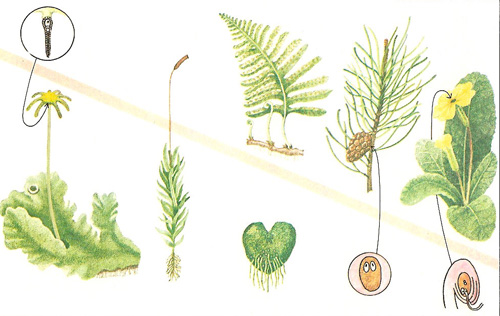
 Alternation of generation is a word that describes the plant's life cycle. It is a multicellular diploid form with a multicellular haploid form, and the elements of alternation of generation are two haploid gametes, two diploid gametes, sporangia, and gametangia. The two processes of alternation of generation are meiosis and fertilization. Meiosis is reduction of chromosomes from diploid number to haploid number, and fertilization is the fusing of chromosomes from haploid number to diploid number. Similar to animals, the alternation of generation is also the sexual reproduction of plants, and it is an essential part of plants. On the other hand, fungi or algae have alternation of generations as well as plants; hence, this is not a unique life cycle of plants.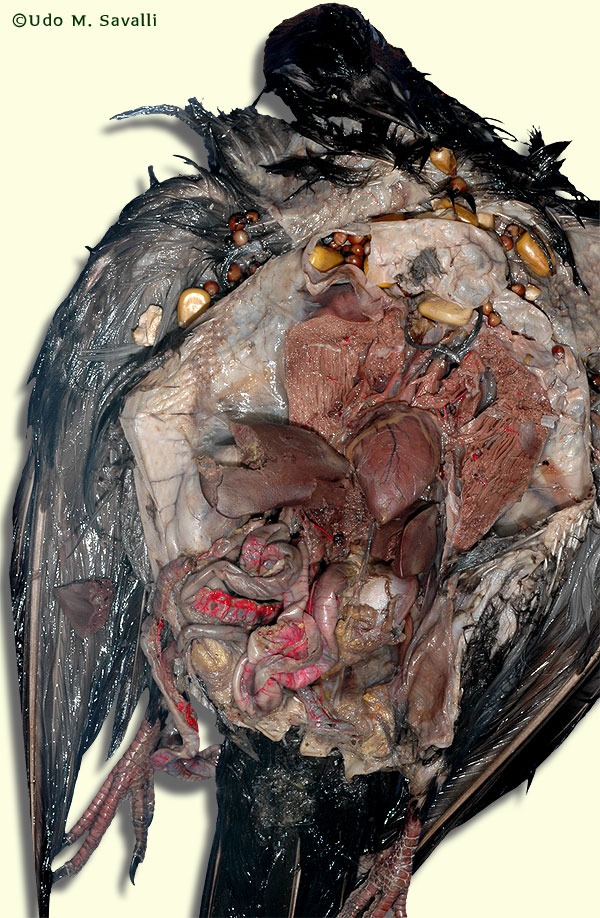
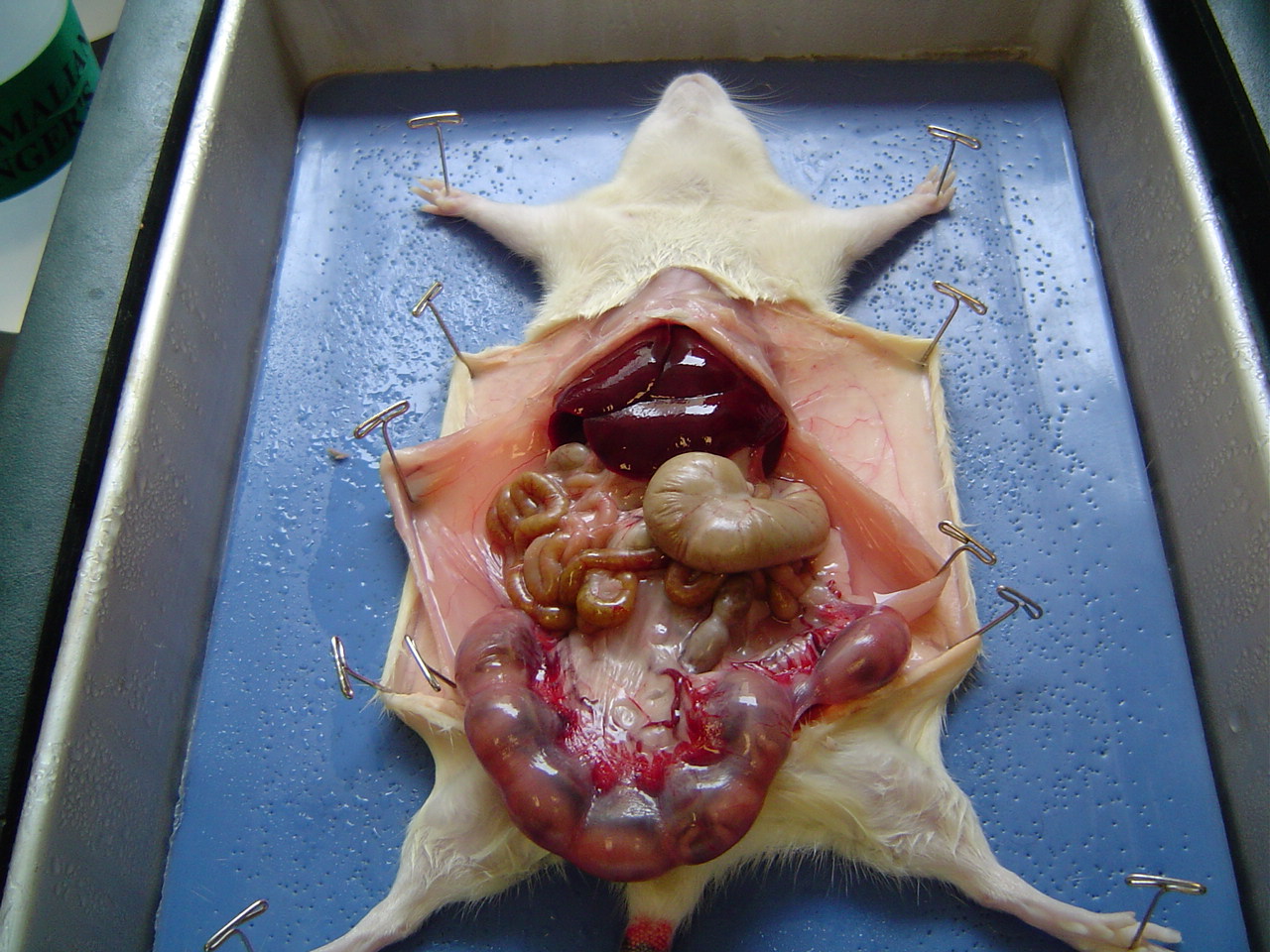

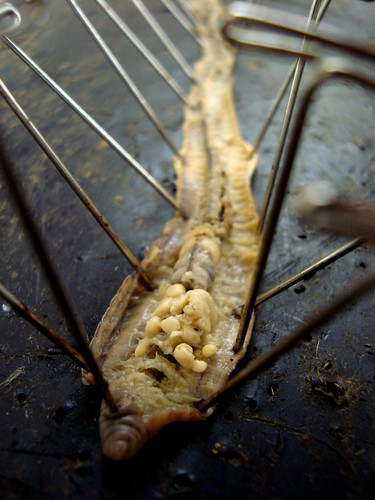
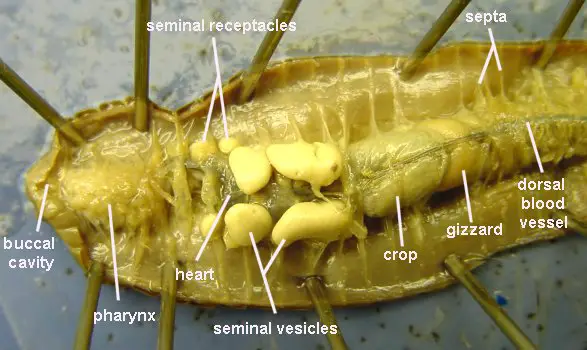
 Dissection is usually the process of disassembling and observing something to determine its internal structure and as an aid to discerning the functions and relationships of its components. Dissection is important to the biology curriculum because the students need to understand what looks like inside the organisms, and see the muscle and tissue structures. The variety of animals or plants need to be included in the biological study because the students have to know the different structures and functions of various kinds of organisms. For example, mammals, reptiles, fishes, insects, birds, flowers, trees, and fungi can all be the part of biological study for dissection.


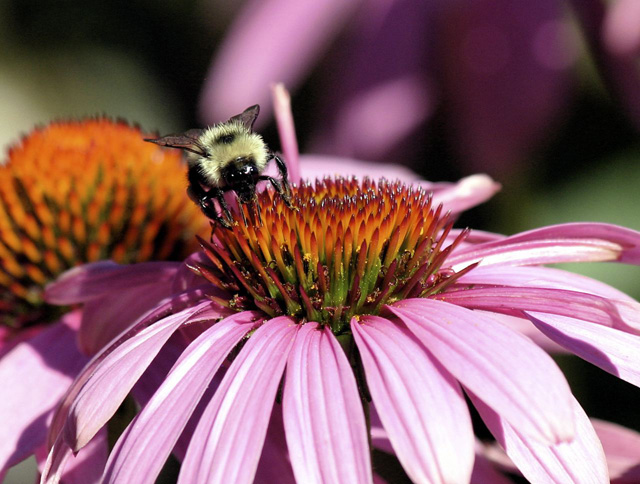

 Parasitism is symbiotic relationship between organisms of different species where one organism benefits at the expense of the other. ex: Fleas ingest blood from dogs.
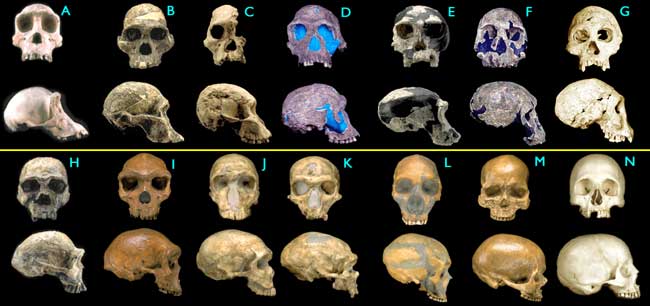
 I've been in Ms. Malonek's Biology class for more than half year, and I really learned a lot of knowledge from this class. For example, I learned about the cells, and the different uses of each part in the cell. In addition, I also learned the evolution of humans, so I understood where were we coming from. Photosynthesis and cell respiration are the knowledge that I learned form seventh grade, but I still learned these deeply in Biology. I enjoyed the labs we've done in the class, too since I can learn some knowledge from these experiences. I met many friends in this class, and we can discuss and learn from each other. Rather than the knowledge from the book, Ms. Malonek always gives us some additional information outside of the textbook. To sum up these reasons, I learned a lot of stuffs in my biology class.


 There are two distinctly different biomes in the Earth, which are terrestrial biome and aquatic biome. Basically, both biomes contains animals and plants, but one is on the land and another is in the water. In terrestrial biome, there are reptiles, insects, mammals, and birds. There are also desserts, forests, and grasslands in the terrestrial biome. On the other hand, the aquatic biome means the oceans, and it also has its unique organisms. In aquatic biome, there are various kinds of fish and reeds. In addition, there are still some mammals in the ocean. Oceans, lakes, pools, streams, and rivers are all the parts of aquatic biome. The terrestrial biome is similar to aquatic biome since they are both on the Earth with different organisms live in. To sum up these reasons, the are several similarities and differences between terrestrial and aquatic biomes.


